


Phone:
0086-0769-82767811
0086-13929200954

Views: 0 Author: Site Editor Publish Time: 2026-03-24 Origin: Site


Augmented reality (AR) is moving fast—from consumer gadgets into industrial, defense, and high-performance sports applications. As AR features are integrated directly into helmets, safety validation becomes more complex than ever. Embedded displays, sensors, batteries, and communication modules all introduce new variables. To ensure protection is not compromised, manufacturers rely heavily on the Helmet testing machine.
For companies developing next-generation AR helmets, a modern Helmet testing machine is essential—not only for certification, but for validating how integrated electronics behave under real-world impact conditions.
Unlike traditional helmets, AR helmets combine protective structures with sensitive electronic systems. These added components can affect weight distribution, impact absorption, and structural integrity.
This means every AR helmet must be evaluated as a complete system. A high-precision Helmet testing machine allows engineers to test both mechanical protection and the influence of embedded technology during impact events.
Without a capable Helmet testing machine, it is difficult to verify whether added features compromise safety performance.
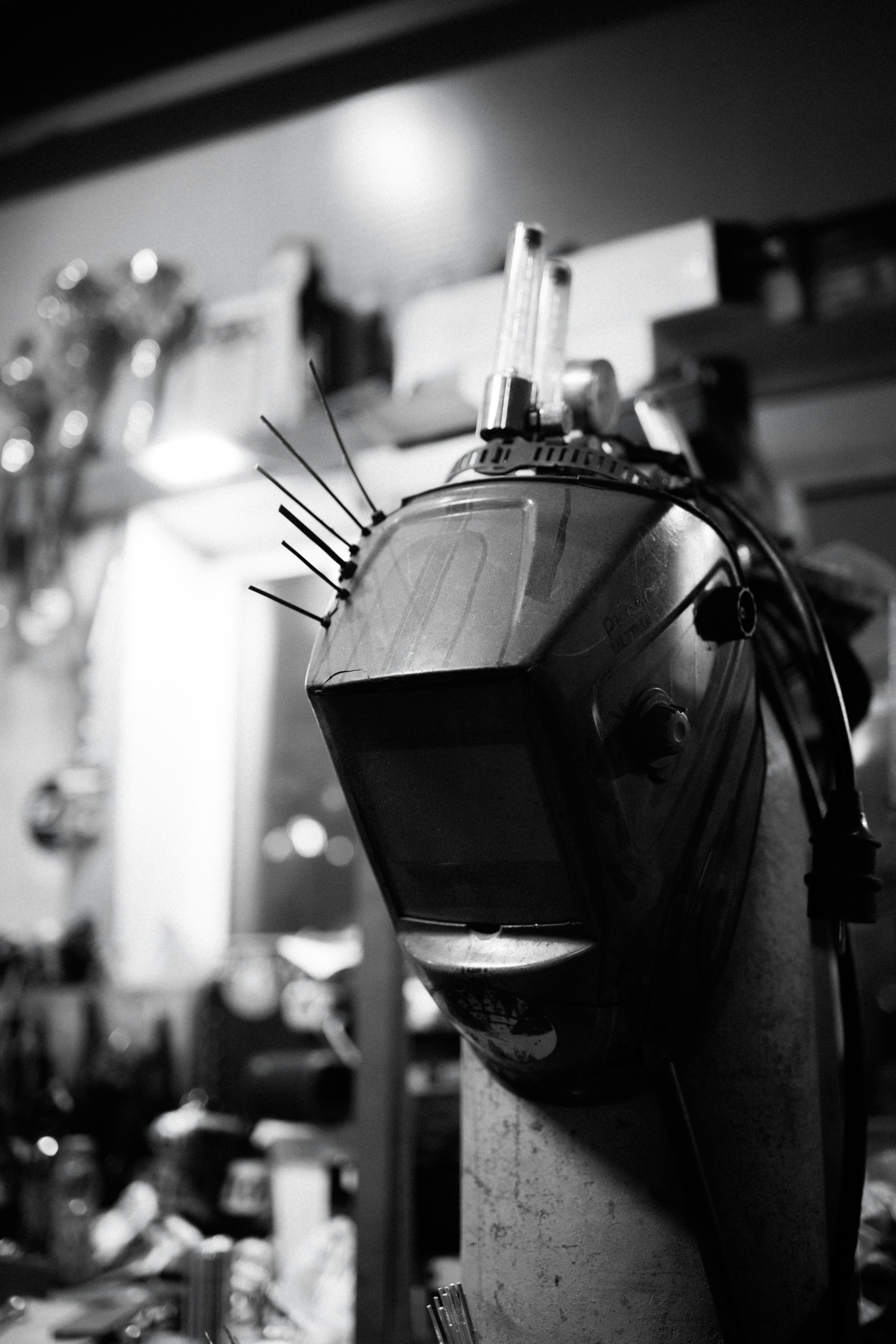
One of the key concerns in AR helmet design is how internal components respond to impact. Displays, circuit boards, and battery units may shift, deform, or fail under stress.
A professional Helmet testing machine enables controlled impact testing to observe these behaviors. By using a Helmet testing machine, engineers can analyze:
Structural deformation around embedded devices
Stability of mounted electronic modules
Changes in impact absorption due to added weight
Potential failure points within the helmet system
These insights are critical for optimizing both safety and functionality.
AR helmets are often used in demanding environments such as cycling, construction, industrial operations, and defense training. Each scenario involves different types of impacts.
A modern Helmet testing machine can simulate these conditions by adjusting impact angles, velocities, and surfaces. This allows manufacturers to evaluate performance across multiple use cases.
Through repeated testing with a Helmet testing machine, engineers can ensure that AR helmets maintain consistent protection under varied real-world conditions.
The addition of AR components can alter the center of gravity of a helmet. This change may increase rotational forces during an impact, which are closely linked to head injuries.
An advanced Helmet testing machine equipped with precise measurement systems allows laboratories to assess rotational acceleration and balance. By testing with a Helmet testing machine, manufacturers can refine designs to minimize these risks.
The AR helmet market is evolving quickly. Manufacturers must develop, test, and refine products in shorter timeframes while maintaining strict safety standards.
A reliable Helmet testing machine supports rapid prototyping by providing consistent and repeatable data. Engineers can test multiple design iterations efficiently, making data-driven improvements at each stage.
This capability is essential for companies aiming to stay competitive in a fast-moving technology market.
AR helmets rely on a combination of materials, including polymers, composites, padding systems, and electronic housings. Each component must perform reliably under stress.
Great Win provides a comprehensive testing solution that works alongside the Helmet testing machine, including equipment for rubber testing, leather testing, and durability analysis.
By integrating these systems with a Helmet testing machine, manufacturers can evaluate both material performance and overall helmet safety in a unified process.
At Great Win, we understand that emerging technologies require advanced testing capabilities. Our Helmet testing machine solutions are designed to support both traditional helmet testing and next-generation applications such as AR integration.
Each Helmet testing machine is engineered with:
High-precision impact measurement systems
Flexible configurations for different helmet designs
Stable structures for repeatable testing
Compatibility with advanced data analysis tools
These features allow customers to confidently validate innovative helmet designs without compromising safety.
As AR technology becomes more integrated into protective equipment, the balance between innovation and safety becomes critical. Every new feature must be validated under realistic conditions.
A modern Helmet testing machine ensures that advanced functionality does not come at the expense of protection. It provides the data needed to bring next-generation AR helmets to market with confidence.
If your company is developing smart or AR-enabled helmets, contact Great Win to learn more about our professional Helmet testing machine solutions and how we can support your product development and safety validation needs.


