


Phone:
0086-0769-82767811
0086-13929200954

Views: 0 Author: Site Editor Publish Time: 2026-01-16 Origin: Site


The rapid global adoption of electric scooters has transformed urban mobility—and with it, the safety standards surrounding personal protective equipment. As governments tighten regulations and consumers demand higher protection levels, the helmet testing machine market is experiencing unprecedented growth, now estimated at $280 million worldwide.
For helmet manufacturers, certification labs, and safety research institutions, this shift is redefining how helmets are tested, validated, and brought to market.
Electric scooters expose riders to unique risk profiles. Unlike bicycles, scooters operate at higher speeds, often in dense traffic environments, and accidents typically involve oblique impacts and rotational forces.
As a result, regulatory bodies and industry standards are moving beyond traditional drop tests. Modern helmet approval increasingly depends on:
Multi-angle impact evaluation
Rotational acceleration measurement
Repeated impact durability
Material performance under variable environmental conditions
These requirements place new technical demands on the helmet testing machine, making advanced testing capability a competitive necessity rather than an option.

Several key factors are driving investment in helmet testing equipment:
Cities and national authorities are introducing stricter helmet mandates for electric scooter riders. Compliance now requires testing that better reflects real-world accident dynamics.
Helmet brands are expected to prove safety performance with transparent, repeatable data. Advanced testing machines enable manufacturers to validate designs before third-party certification.
As demand increases, more laboratories are expanding their capabilities, fueling the need for reliable, standards-compliant helmet testing machines.
Together, these forces are pushing the market toward higher-precision, more versatile testing solutions.
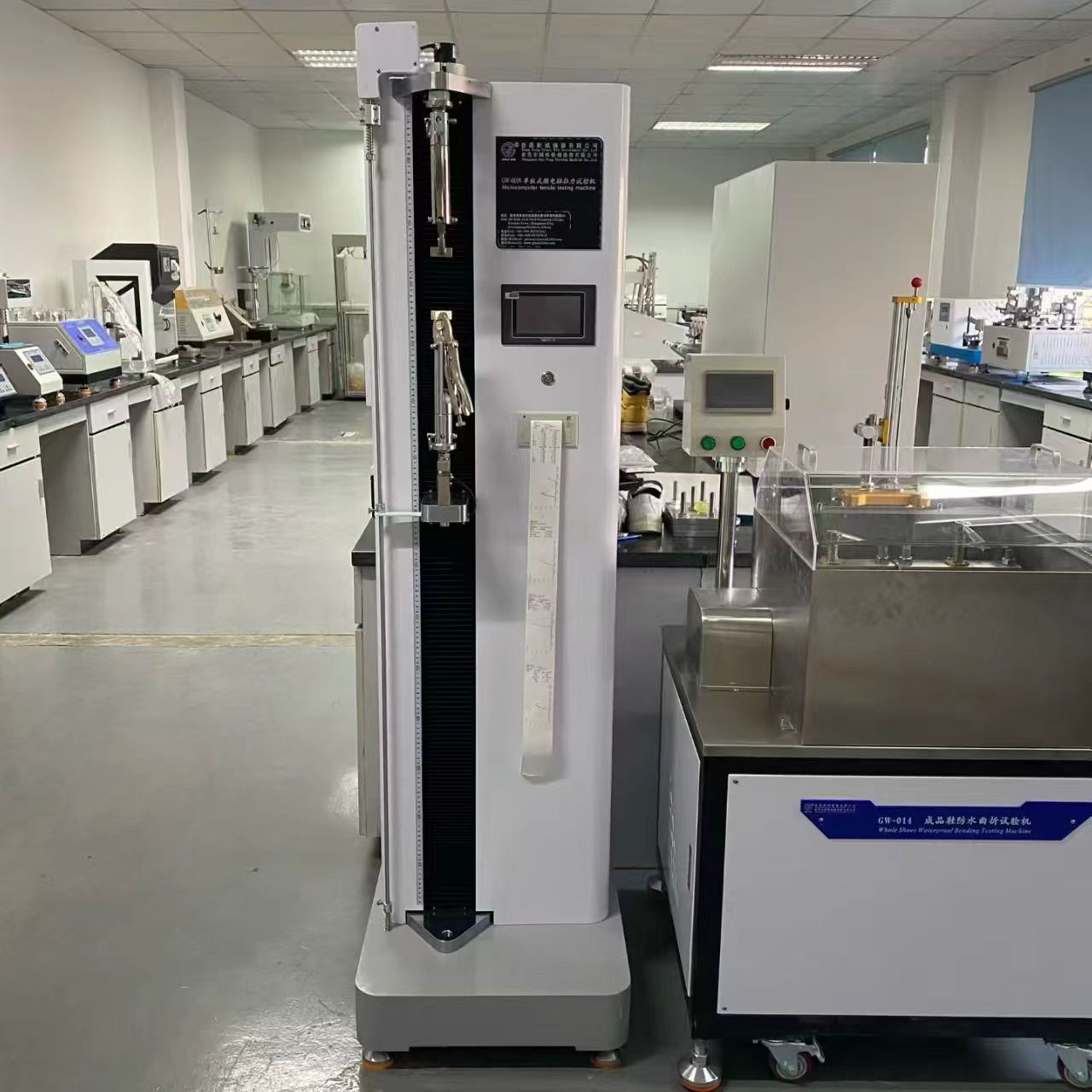
To meet the demands of the electric scooter era, a professional helmet testing machine should deliver:
The ability to test helmets under angled and rotational impacts is essential for evaluating real accident scenarios.
Integrated sensors and data acquisition systems ensure precise measurement of acceleration, force, and energy absorption.
Adjustable drop heights, interchangeable anvils, and customizable fixtures allow testing across multiple international standards.
Consistent results are critical for R&D validation, quality control, and certification audits.
Investing in the right helmet testing machine directly influences product credibility and market access.
As a comprehensive testing equipment supplier, Great Win supports more than helmet safety. Our portfolio spans:
Leather testing instruments
Rubber and polymer testing machines
Toy safety testing equipment
Protective gear and helmet testing systems
This cross-industry expertise allows us to understand material behavior, impact dynamics, and compliance challenges from a holistic perspective—benefiting customers seeking reliable, future-proof testing solutions.
At Great Win, we design testing machines that balance technical precision, operational reliability, and practical usability. Our helmet testing machines are developed to support evolving safety standards while remaining adaptable to customer-specific testing requirements.
By working closely with manufacturers and laboratories, we help ensure that testing equipment is not only compliant—but also aligned with real production and certification workflows.
The electric scooter boom shows no sign of slowing. As mobility solutions evolve, safety expectations will continue to rise, and testing technology must keep pace.
For companies aiming to compete in a $280M helmet testing machine market, the right equipment partner makes all the difference.
Contact Great Win today to explore our helmet testing machines and learn how we can support your compliance, R&D, and quality assurance goals.


